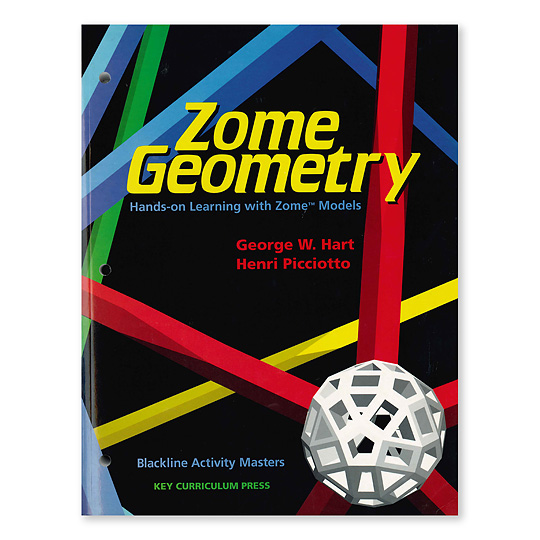
Hands-on Learning with Zome Models
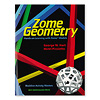
Zome Geometry�i�p��Łj
- ZOME GEOMETRY�i�p��Łj
- 8,000�~�{���i10%�ō�8,800�~)
054-251-8700
���i�̐���
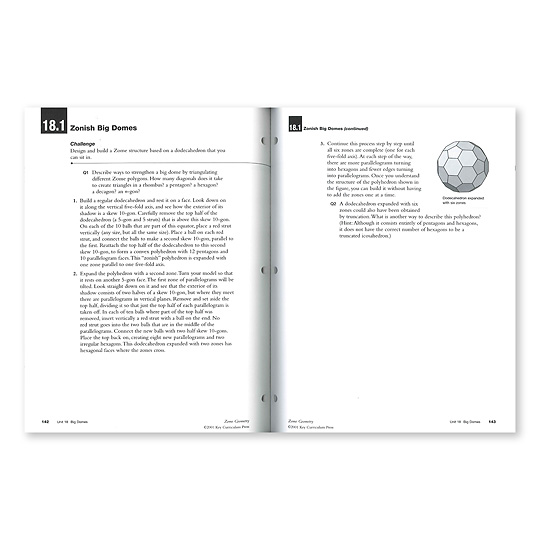
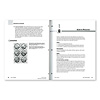
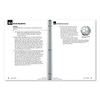
�p���ł��B������265�ł̕������{�ł��B����ҁE�����Ҍ����̖{�ł��B�e�͂́AChallenge �Ȃ�ړI����n�܂�A��̓I�ȍ�Ƃ��P�Ԃ��珇�ԂɎ�����Ă��܂��B���̒��Ɏ��₪�����Ă��܂��B����̓����́A�����ɂ܂Ƃ܂��Ă��܂��B
���E���w�Z�̐搶�ɂ́A�]���E�c�[�����g�����A�A�����J�̏��E���w�Z�ł̎��ۂ̋��ďW�u���b�X�� �v����1.0 ���{���v�i�����_�E�����[�h�ł��܂��j���Q�l�ɂȂ�Ǝv���܂��B
Welcome to Zome Geometry! We have found the Zome System to be a wonderful tool. With it, we have deepened our understanding of many geometric ideas in two, three, and even four dimensions—especially, but not exclusively, ideas about polyhedra. In this book, we share our favorite activities with students, teachers, and, in fact, any interested reader.
How to Use Zome Geometry
This book can be used in several ways.
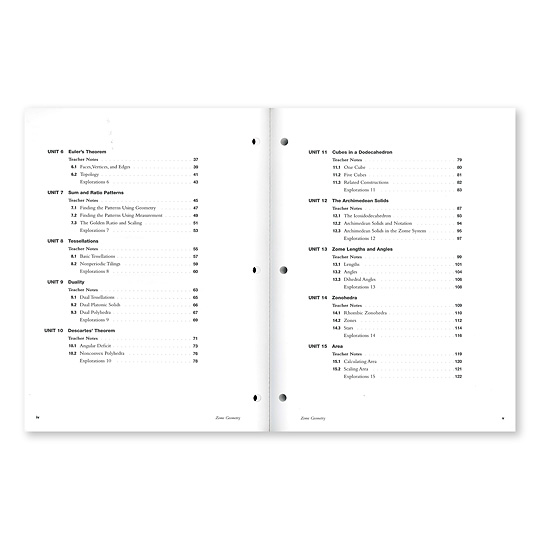
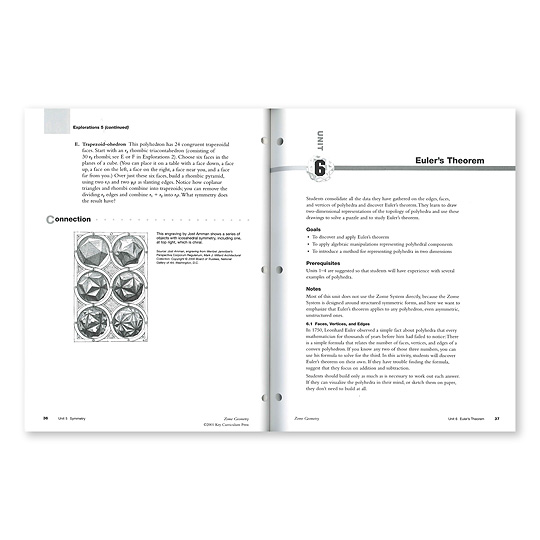
- Zome Geometry activities supplement the secondary curriculum. The prerequisites and the specific curricular connections (from geometry, trigonometry, algebra, and more) are listed in the teacher notes at the beginning of each unit. Some activities preview or introduce the corresponding topics; others are more suited for the review or application of previously studied topics; and many will work both ways.
- Zome Geometry can serve as the textbook for a mathematics elective course.
- You can use Zome Geometry as a source of projects for math teams, math clubs, or individual students.
- Anyone who wants to explore geometry on his or her own can use Zome Geometry as a self-instruction manual. Read the answer only after working on a question, and make use of the teacher notes as you work through the activities.
Introduction ���
���i�ڍ�
| ���F | George W. Hart, Henri Picciotto |
|---|---|
| ���@�F | 28�~21.5cm |
| ���e�F | 265�� |
���i�̎d�l�i�F�A�ގ��A�`��A�p�b�P�[�W�Ȃǁj�͗\���Ȃ��ύX���邱�Ƃ�����܂��B�L�ڂ���Ă��邷�ׂĂ̐��@�Əd�ʂ͖ڈ��ł���A�������������̂ł͂���܂���B